Most people think of the internet as something abstract.
You open a website, send a message, stream a movie, or upload a photo, and everything seems to happen almost instantly.
It's easy to forget that none of these services exist in thin air.
Behind every website, mobile app, online game, and cloud platform are thousands of physical computers working around the clock.
Those computers live inside facilities known as data centers.
Although they rarely receive the same attention as smartphones or artificial intelligence, data centers are some of the most important pieces of modern technology infrastructure.
Without them, cloud computing wouldn't exist, websites couldn't stay online, and many of the digital services people rely on every day would simply stop working.
Understanding what a data center is provides a much clearer picture of how the internet actually operates behind the scenes.
What Is a Data Center?
A data center is a facility that houses computer systems and the equipment needed to store, process, and distribute digital information.
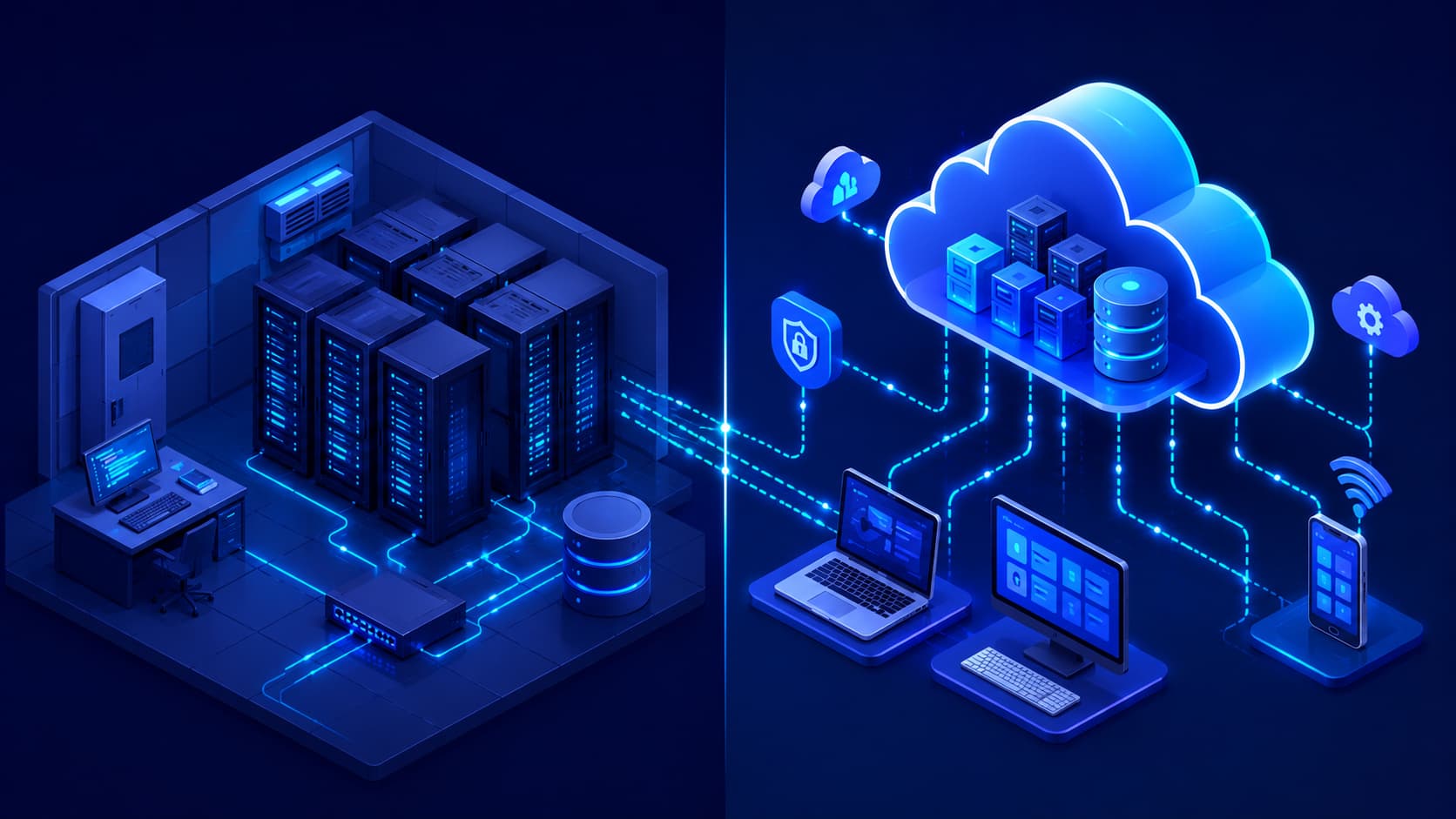
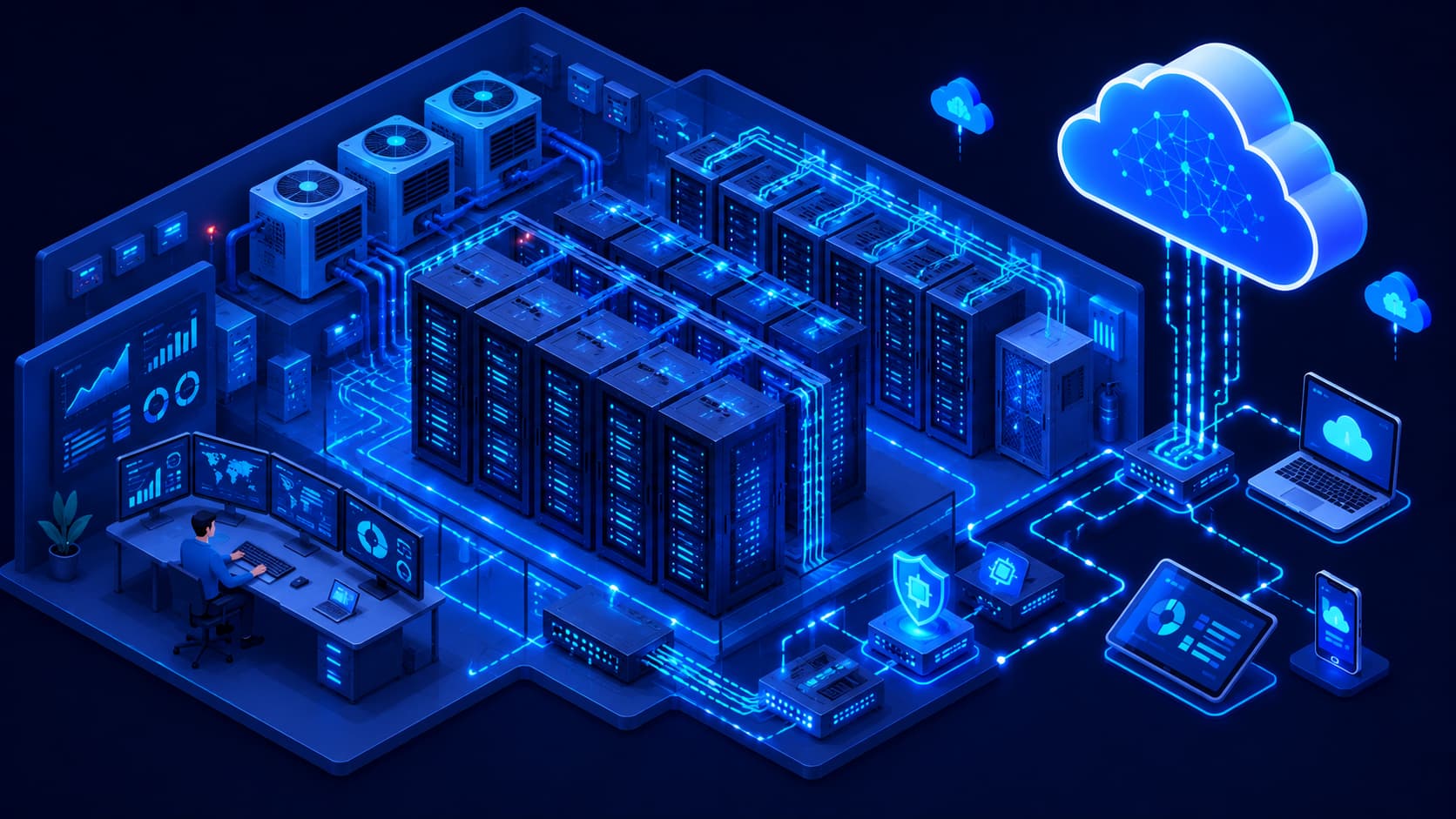
Inside a modern data center, you'll typically find rows of servers, networking equipment, storage systems, backup power supplies, cooling systems, and security infrastructure.
These components work together to keep applications, websites, databases, and cloud services running reliably twenty-four hours a day.
Unlike the computer sitting on your desk, a data center is designed to operate continuously.
If one server fails, another can often take over.
If one power source is interrupted, backup systems immediately step in.
Everything is built with reliability in mind.
Why Are Data Centers So Important?
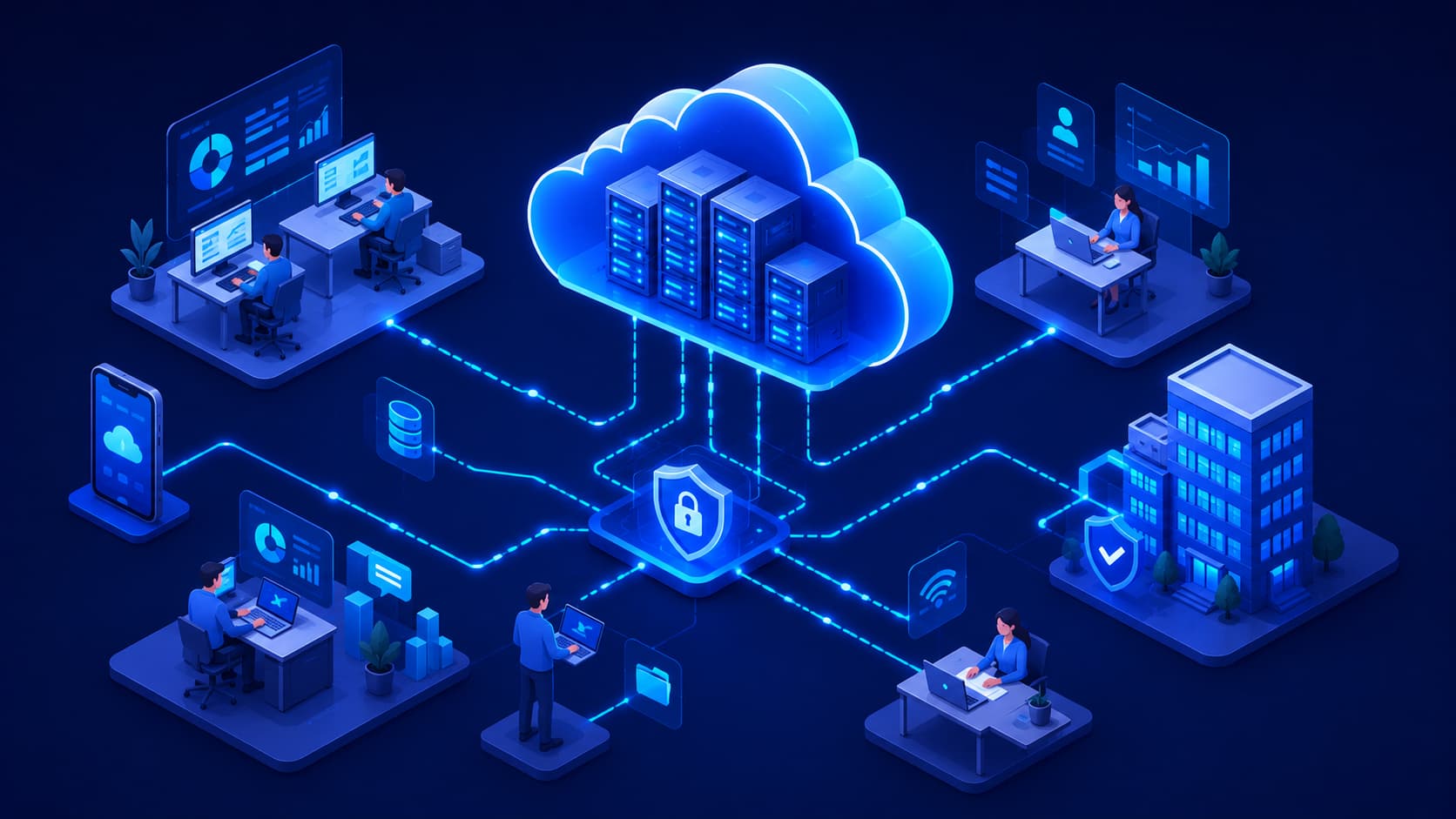
Every time you open a website or use an online service, your device communicates with servers located somewhere in a data center.
Those servers process requests, retrieve information, and send the results back to your device within seconds.
Without data centers, the internet as we know it simply wouldn't function.
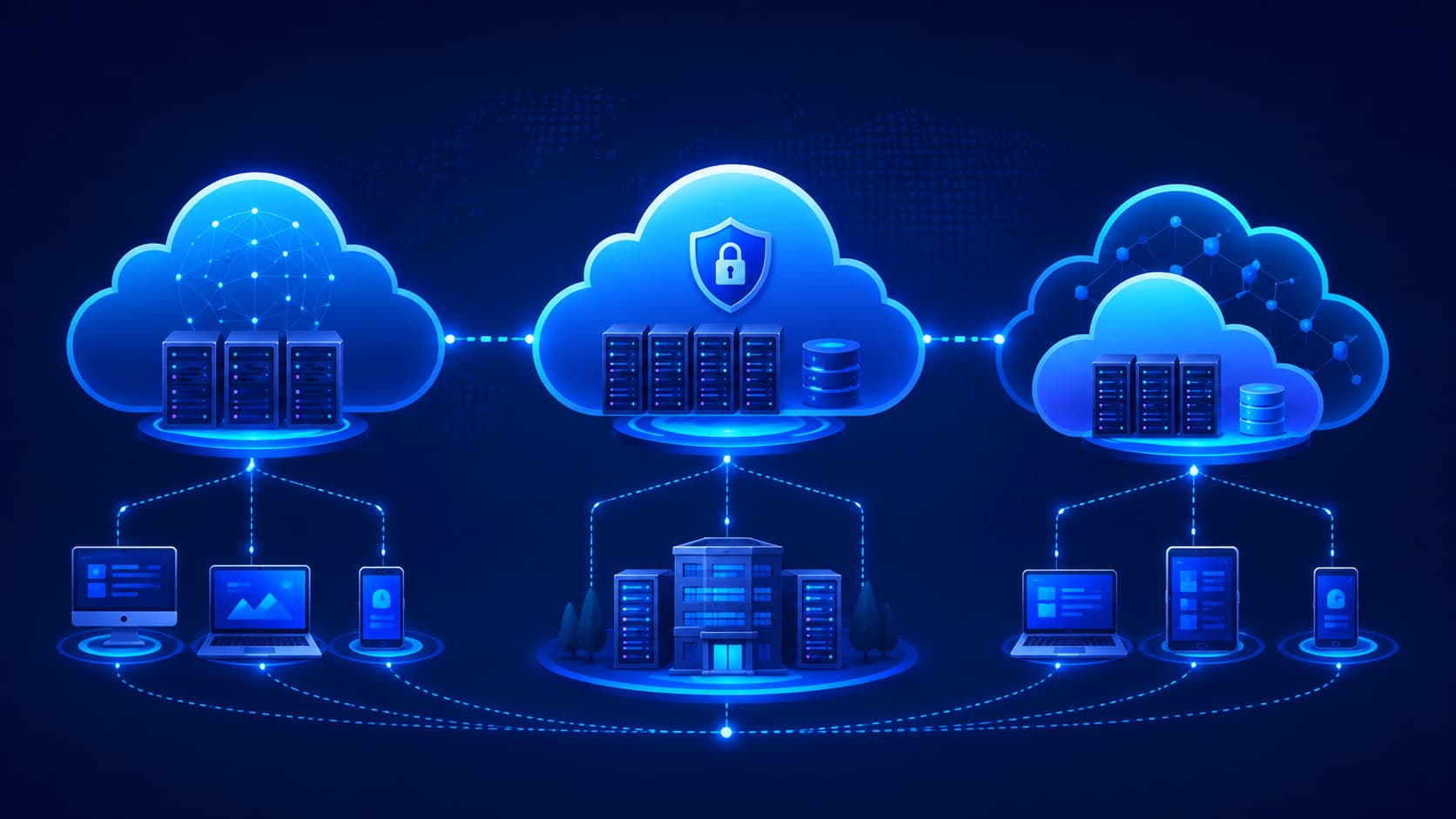
Cloud providers also depend on enormous networks of data centers spread across different regions of the world.
This global infrastructure allows users to access cloud services quickly, regardless of where they're located.
It also improves reliability by ensuring that services can continue operating even if one location experiences technical problems.
What's Inside a Data Center?
From the outside, a data center often looks like an ordinary industrial building.
Inside, however, it's carefully designed to keep thousands of computers running efficiently.
One of the most noticeable features is the server racks.
These tall cabinets hold the physical servers that perform computing tasks for websites, applications, and cloud platforms.
Networking equipment connects those servers to each other and to the internet.
Storage systems hold enormous amounts of digital information, ranging from personal photos to enterprise databases.
Because servers generate a significant amount of heat, powerful cooling systems operate continuously to maintain safe temperatures.
Backup generators and battery systems are also installed to ensure services continue operating even if the main power supply is interrupted.
Every part of the facility is designed with one goal in mind: keeping digital services available around the clock.
Who Owns Data Centers?
Data centers are operated by many different organizations.
Large cloud providers build massive facilities to support millions of customers worldwide.
Technology companies often maintain their own data centers to run online platforms and services.
Banks, hospitals, government agencies, universities, and telecommunications companies may also operate private data centers to support their own systems.
In recent years, many businesses have moved away from building their own facilities and instead rent computing resources from cloud providers.
This allows them to benefit from enterprise-grade infrastructure without the cost of constructing and maintaining a data center themselves.
How Do Data Centers Support Cloud Computing?
Cloud computing and data centers are closely connected.
In fact, every cloud service depends on one or more data centers operating behind the scenes.
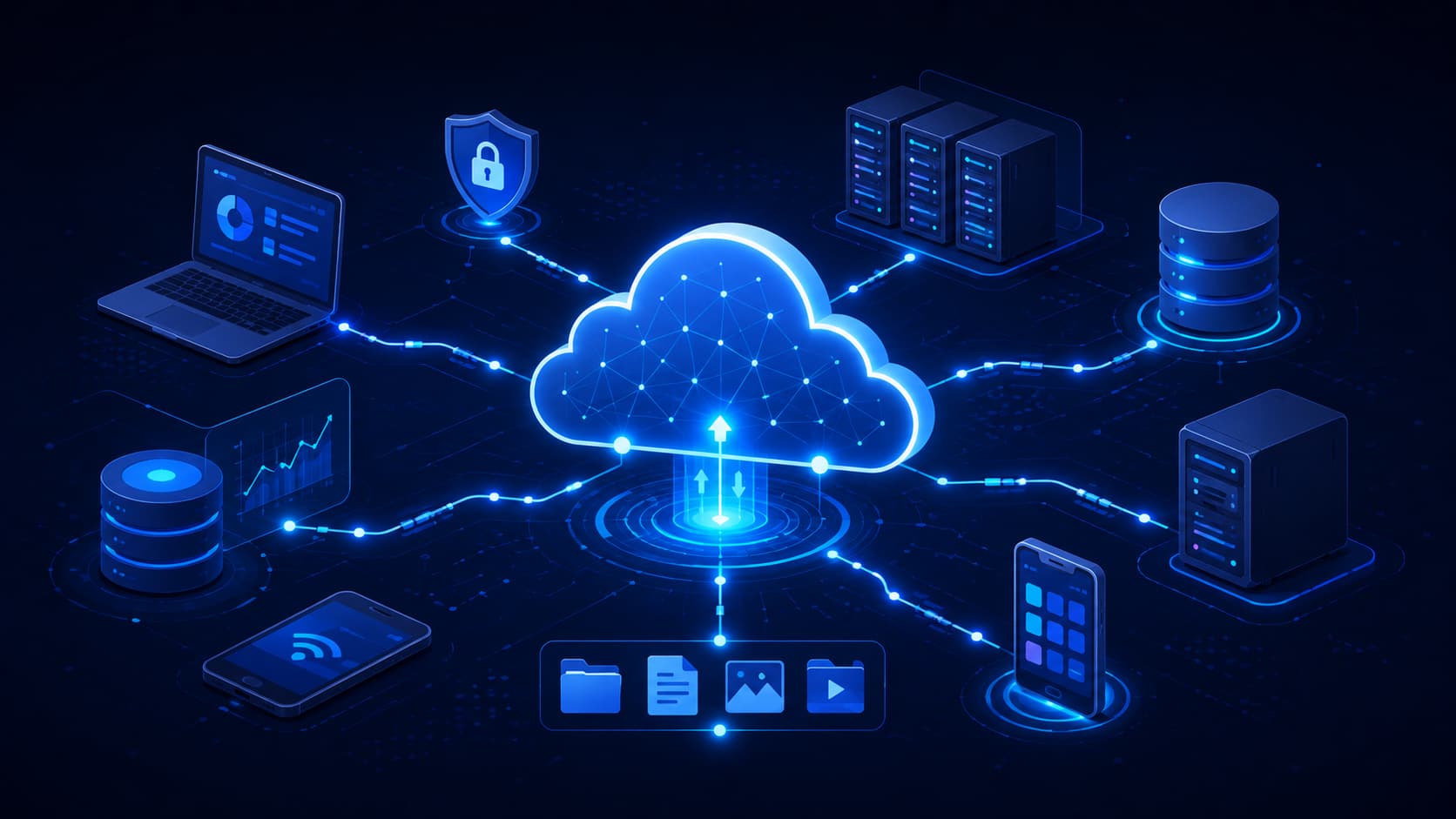
When you upload a file to cloud storage, start a virtual machine, or use an online application, your request is processed by servers located inside a data center.
The cloud doesn't eliminate physical infrastructure.
Instead, it allows you to use that infrastructure remotely.
Cloud providers operate networks of data centers across multiple regions, giving customers access to computing resources without needing to own the hardware themselves.
This is one of the key reasons cloud computing is both flexible and scalable.
Users can access powerful infrastructure whenever they need it, while the provider manages everything behind the scenes.
Why Are Modern Data Centers So Reliable?
Downtime can be extremely expensive.
For businesses that depend on online services, even a few minutes of interruption may affect customers, revenue, and reputation.
That's why modern data centers are designed with reliability as a top priority.
Most enterprise data centers include redundant systems for critical components.
If one server fails, another can immediately take over.
If the primary power supply is interrupted, backup batteries and generators activate automatically.
Internet connectivity is also provided through multiple network providers to reduce the risk of outages.
This redundancy helps ensure that websites, applications, and cloud services remain available even when unexpected problems occur.
Security Inside a Data Center
Protecting digital information involves much more than installing cybersecurity software.
Physical security is just as important.
Modern data centers typically use multiple layers of protection.
Access is restricted to authorized personnel through methods such as identification badges, biometric authentication, and security checkpoints.
Many facilities are monitored around the clock using surveillance cameras and on-site security teams.
Environmental monitoring systems also detect changes in temperature, humidity, smoke, or water leaks that could damage equipment.
Combined with cybersecurity measures such as encryption, firewalls, and network monitoring, these safeguards help protect both the infrastructure and the data it stores.
Can Businesses Build Their Own Data Centers?
Yes, but it's becoming less common.
Large enterprises, government agencies, financial institutions, and some technology companies continue to operate private data centers because they require greater control over their infrastructure.
However, building a modern data center is a major investment.
Organizations must purchase servers, networking equipment, storage systems, cooling infrastructure, backup power, physical security systems, and suitable facilities.
They also need experienced engineers to maintain everything.
For many businesses, renting cloud infrastructure is a more practical option.
Instead of managing hardware, they can focus on developing products, serving customers, and growing their business.
The Future of Data Centers
As demand for digital services continues to grow, data centers are evolving as well.
Cloud computing, artificial intelligence, streaming platforms, online gaming, and connected devices all require increasing amounts of computing power.
To meet that demand, providers are building larger, more efficient facilities while investing in renewable energy, advanced cooling technologies, and automation.
Artificial intelligence is also beginning to help manage data center operations by improving energy efficiency, predicting hardware failures, and optimizing resource usage.
Although most users will never visit one, data centers will continue to play a central role in supporting the digital services people rely on every day.
Frequently Asked Questions
What is a data center in simple terms?
A data center is a facility that contains servers, storage systems, networking equipment, and other infrastructure used to store, process, and deliver digital services over the internet.
Is the cloud stored in data centers?
Yes.
Cloud services run on physical servers located inside data centers around the world. The term "cloud" simply refers to accessing those computing resources over the internet.
Who owns data centers?
Data centers may be owned by cloud providers, technology companies, telecommunications providers, financial institutions, governments, universities, and other organizations that require large-scale computing infrastructure.
Why do data centers need cooling systems?
Servers generate a significant amount of heat while operating.
Cooling systems prevent equipment from overheating, helping maintain performance and extend the lifespan of the hardware.
Are data centers secure?
Modern data centers use multiple layers of physical and digital security, including controlled access, surveillance, backup power systems, fire protection, encryption, and continuous monitoring.
Conclusion
Although most people never see them, data centers are one of the most important foundations of the modern internet.
Every website you visit, every cloud application you use, and every online service you rely on ultimately depends on servers operating inside these specialized facilities.
More than just buildings filled with computers, data centers provide the reliability, security, and computing power needed to support today's digital world.
As cloud computing, artificial intelligence, and connected technologies continue to expand, the role of data centers will only become more significant.
Understanding how they work helps explain what happens behind the scenes whenever you connect to a digital service—and why the internet remains available around the clock.